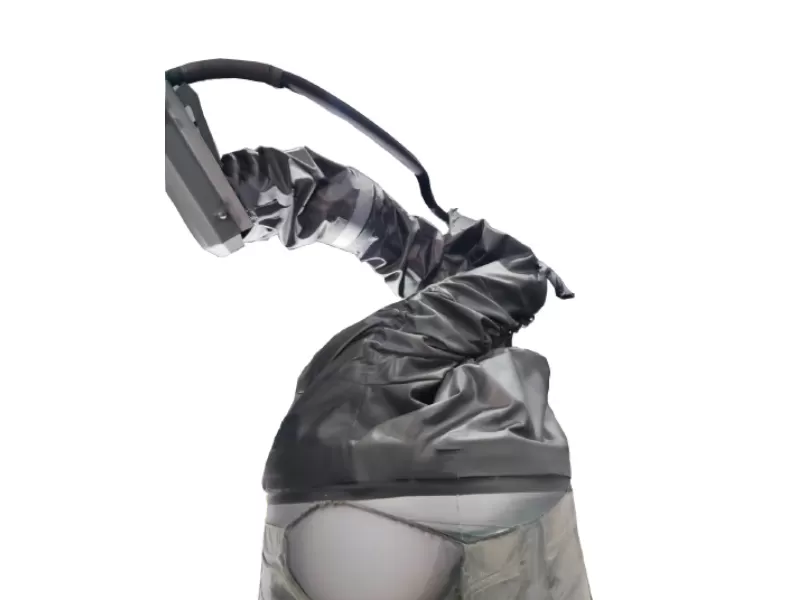
Robot Protective Covers for Washdown Areas: What Buyers Should Check
In industrial settings, protecting robots from harsh washdown environments is paramount for maintaining operational efficiency and longevity. Industrial robot protective covers are designed specifically for these conditions, offering durable solutions that shield sensitive electronic components from moisture, chemicals, and contaminants. In this article, we'll explore the critical aspects buyers need to consider when selecting protective covers for their robots, ensuring enhanced safety and performance in washdown applications.
1. Understand the Importance of Protective Covers
- Purpose of Protective Covers: Learn that protective covers shield robots from water, chemicals, and dirt, extending their service life.
- Impact on Operational Efficiency: Discover how well-protected robots perform better with less downtime due to maintenance and repairs.
- Compliance with Safety Standards: Understand the necessity of adhering to safety regulations in industrial environments.
2. Material Choices for Durability
- Waterproof Fabrics: Investigate the types of waterproof materials such as PVC, polyester, and nylon.
- Chemical Resistance: Assess the chemical resistance capabilities of the fabrics used in protective covers.
- Temperature Tolerance: Evaluate how different materials withstand temperature extremes, which may be critical in washdown areas.
3. Fit and Compatibility with Robots
- Measuring Robot Dimensions: Provide a step-by-step guide to accurately measuring your industrial robots for the perfect fit.
- Customization Options: Explore whether covers can be tailored for specific robotic designs and functionalities.
- Accessibility Considerations: Ensure covers allow easy access for maintenance without compromising protective features.
4. Installation and Maintenance Procedures
- Installation Guidelines: Offer a straightforward installation process that users can follow.
- Regular Maintenance Requirements: Discuss how to clean and maintain the covers effectively to ensure their longevity.
- Repair and Replacement Tips: Advise on common repair methods or when it’s time to replace the covers.
5. Cost-Effectiveness and Budget Considerations
- Analyzing Pricing Options: Help buyers compare prices across different brands and materials without sacrificing quality.
- Total Cost of Ownership: Explain how investing in quality protective covers can lower overall operating costs in the long term.
- Warranties and Guarantees: Encourage buyers to seek products with solid warranties as a sign of quality assurance.
6. Real-World Applications and User Testimonials
- Successful Case Studies: Highlight industries that have benefitted from using protective covers in washdown areas.
- User Experiences: Include testimonials or feedback from businesses that have made purchases.
- Performance Analytics: Suggest investigating any available data on the performance improvements after implementing these covers.
7. Additional Considerations: Environmental Factors
- Assessing Local Conditions: Encourage buyers to consider unique environmental factors, such as humidity levels and chemical exposure.
- Recommendations for Outdoor vs. Indoor Use: Differentiate between covers intended for indoor and outdoor applications, focusing on UV resistance and weatherproof materials.
Conclusion
Choosing the right robot protective covers for washdown areas can significantly impact your operations. By considering factors such as material durability, fit, installation procedures, and environmental conditions, you can ensure maximum protection for your robotic assets. For more options and specific product details, visit Tehu Protection.