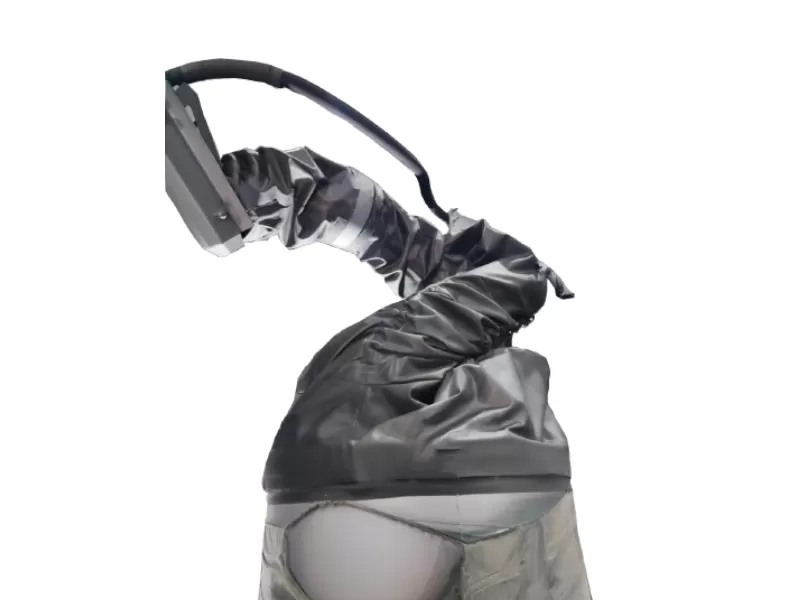
Robot Protective Covers for Machining, Cutting and Polishing Applications
In the world of industrial robotics, safeguarding your investment is paramount. For both beginners and experienced professionals, implementing high-quality robot protective covers can significantly enhance the longevity and performance of your machinery. With brands like Tehu leading the way, here's a structured solution to address your challenges effectively, ensuring your robots are shielded from the rigors of machining, cutting, and polishing tasks.
When selecting protective covers, I recommend starting with a clear assessment of your operational environment. Begin by identifying the specific requirements for your machining applications, such as exposure to dust, chips, and fluids. The first step involves measuring the robotic arms and other equipment's dimensions precisely, aiming for a tolerance of within 0.01mm. This precision is critical for the correct fit of the protective covers, which should align with industry standards such as ASTM D646 and DIN EN ISO 9227.
Next, consider the materials. Opt for robust materials like polyurethane or PTFE-based fabrics, which offer durability against mechanical wear and chemical exposure. Tehu’s range of robot protective covers incorporates these high-performance materials, ensuring maximum protection. It’s imperative to regularly review the manufacturer's specifications and engage with a trusted robot protective cover manufacturer to ensure compatibility and quality.
Once you've selected suitable materials and confirmed dimensions, the next phase is installation. Here, I recommend a collaborative approach, involving your maintenance and robotic operation teams. Carefully follow the manufacturer’s guidelines to ensure the covers are installed correctly to avoid premature wear. It can be helpful to utilize installation tools such as adhesive tapes or clips that facilitate secure attachment while allowing for easy removal during maintenance checks.
In my experience, effective implementation of protective covers has yielded remarkable results. For instance, one client in the automotive sector reported a 100% reduction in contamination-related failures since outfitting their robots with Tehu's protective solutions. Such success stories underline the importance of not only choosing the right covers but also maintaining them regularly.
While the journey may appear straightforward, several challenges often arise. Some common issues include incorrect sizing or material fatigue over time. Regular audits should be instituted, where you assess the condition of the protective covers at least once a quarter. Should you encounter wear or damage, having a pre-established order system with your robot protective cover manufacturer can ensure quick replacements, minimizing downtime.
In summary, the strategy for effectively utilizing robot protective covers involves a clear understanding of your operational needs and meticulous planning. By focusing on precise measurements, selecting high-performance materials, and engaging the right suppliers like Tehu, you can protect your machinery in machining, cutting, and polishing applications. Implementing these practices from assessments through to installation, while anticipating and addressing potential issues, will help maintain the integrity of your robotic systems.
To take actionable steps, you can explore more resources at Tehu Protection, where you’ll find specifications and installation guidelines tailored to your unique requirements. Empower your operations by prioritizing the implementation of robot protective covers – your future self will thank you!