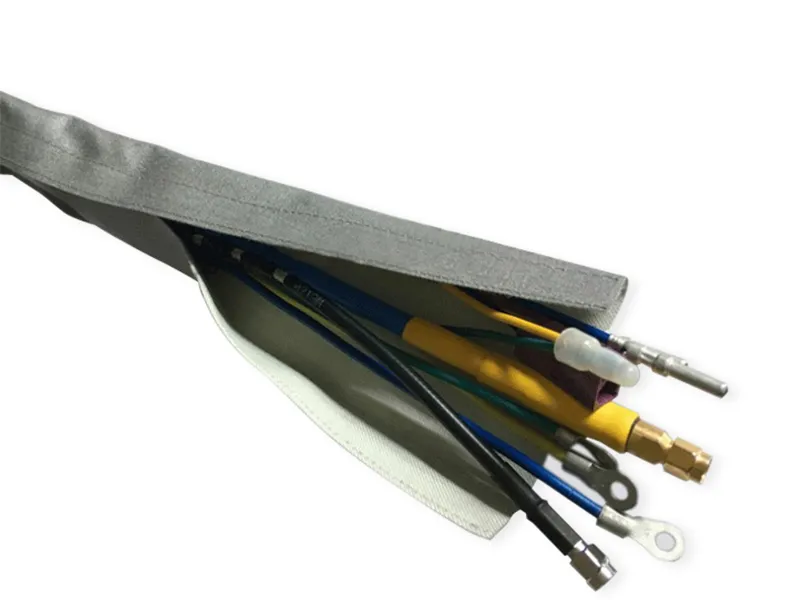
Radiant Heat vs. Direct Heat: What Robot Cover Does Your Process Need?
Understanding Radiant and Direct Heat Technologies
Defining Radiant Heat
Radiant heat transfer involves the direct emission of heat from a hot surface, creating a process that heats objects without an intermediate fluid. This method is efficient for heating large areas but comes with specific requirements for insulation and protective covers.
Defining Direct Heat
Direct heat involves a gas flame, electric coil, or other direct means to transfer heat directly to the material or surrounding environment. This method provides quick heating but can lead to uneven heating across surfaces.
Core Parameter Comparison of Radiant and Direct Heat
| Parameter | Radiant Heat | Direct Heat |
|---|---|---|
| Efficiency | High; heats surfaces directly. | Moderate; heats air that then heats surfaces. |
| Application Area | Ideal for larger, open spaces. | Good for targeted heating. |
| Heating Speed | Slower; heat must travel. | Faster; direct contact. |
| Heat Distribution | Even across surfaces. | Can be uneven; depends on placement. |
Actual Use Experience: Key Factors
Battery Life and Stability
When considering robotic covers, battery life is crucial, especially for continuous operation. Radiant heat systems tend to have longer battery life due to lower energy consumption compared to some direct heat systems. Stability during operation is enhanced with properly insulated radiant heat covers, which can maintain heat levels more consistently than direct heat solutions.
Durability and Performance
The choice of robot cover must also consider the durability against heat exposure. Radiant heat covers generally resist thermal degradation better than direct heat alternatives, which may suffer from quicker wear and tear under extreme conditions.
Evaluating Advantages and Disadvantages
Advantages of Radiant Heat
- Efficient heating of large areas.
- Consistent heat retention.
- Better energy efficiency.
Disadvantages of Radiant Heat
- Slower initial heating time.
- Requires effective insulation.
Advantages of Direct Heat
- Quick heating times.
- Effective for localized applications.
Disadvantages of Direct Heat
- Potential for uneven heating.
- Higher energy consumption.
Suggestions for Applicable Groups
Best Uses for Radiant Heat
Recommended for large industrial environments where consistent heating is necessary, such as warehouses or manufacturing plants. Ideal for processes requiring uniform heat distribution, such as food processing or plastics molding.
Best Uses for Direct Heat
Effective in smaller operations where rapid heating is crucial, such as in laboratory settings or small-scale production. Suitable for applications needing targeted heating but can benefit from careful monitoring of heat distribution.
Conclusion: Choosing the Right Robotic Cover
In conclusion, selecting between radiant heat and direct heat technologies depends on specific applications and operational needs. Choosing the right robot protective cover is essential to maximize efficiency and longevity. Tehu offers durable and effective solutions for both types of heating processes, ensuring your operations run smoothly. Visit us at Tehu Protection for more information on our protective covers.