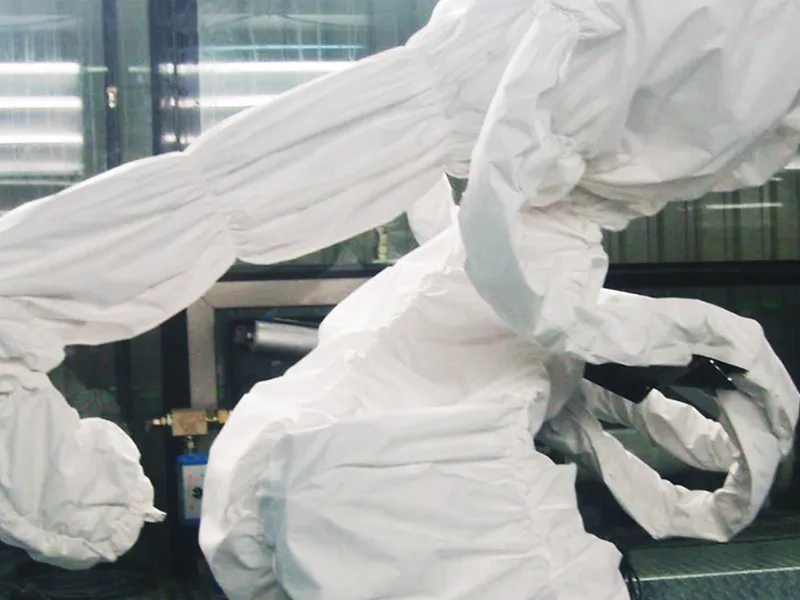
Low-Lint Robot Cover Materials: What Cleanroom Buyers Should Know
When it comes to selecting low-lint robot cover materials for cleanroom environments, both seasoned professionals and newcomers face a multitude of choices that can significantly affect operational efficiency and product integrity. I’m here to guide you through the essential steps and considerations that will empower you to make informed decisions and implement effective strategies for your cleanroom needs.
The journey starts with understanding the fundamentals of low-lint materials. Opting for high-quality materials not only minimizes particulate contamination but also adheres to industry standards such as ASTM and ISO 14644. Here's a structured approach to navigate through the process of selecting low-lint robot cover materials:
Step 1: Identify Your Cleanroom Class Requirements
Knowing your cleanroom classification, whether it's Class 1 or Class 100, dictates the type of low-lint materials you'll need. Each class has specific particulate control thresholds and thus, requires materials evaluated for their linting properties.
- Class 1 Cleanroom: Requires materials tested to ASTM standards for ultra-low linting.
- Class 100 Cleanroom: Suitable materials should maintain limited particle release, thus requiring frequent inspections to ensure compliance.
Step 2: Evaluate Material Specifications
When selecting low-lint robot cover materials, pay close attention to several key specifications that define quality:
- Linting Behavior: Ensure materials exhibit low lint discharge. A precision measurement to 0.01mm can be critical in maintaining cleanliness.
- Chemical Compatibility: The covers should be resistant to typical cleanroom cleaners and decontaminating agents to prolong life.
- Durability: Consider materials with a high abrasion resistance rating to withstand wear over time.
Step 3: Consult a Trusted robot protective cover manufacturer
Working with a recognized robot protective cover manufacturer is paramount. Choose a supplier who uses advanced engineering processes and adheres to strict quality assurances. For instance, Tehu stands out as a leading manufacturer known for its rigorous quality checks—boasting 100% inspection rates on all covers. This ensures that you receive only robust and reliable products.
Step 4: Implement Trial Tests
Before full-scale deployment, conduct preliminary tests within controlled areas of your cleanroom. Assess the performance of the robot protective covers under operational conditions to verify their effectiveness at minimizing lint and contamination. Always document your findings to refine your selection process.
Success Stories: How Tehu Covers Made a Difference
I recall a case study where a semiconductor manufacturer enhanced their yield by 30% after switching to Tehu’s low-lint robot covers. By maintaining stringent cleanliness protocols, they successfully reduced particle contamination that had historically led to product failures. This improvement showcases the tangible benefits of investing in high-quality protective covers.
Tools and Resources for Effective Implementation
To facilitate your selection and adoption of low-lint cover materials, consider these resources:
- Materials Selection Guides: Access detailed comparison charts that can simplify choosing materials based on your cleanroom’s specifications.
- Supplier Rating Platforms: Use platforms that help evaluate manufacturers based on customer reviews and performance statistics.
Addressing Challenges: Possible Pitfalls and Solutions
While executing your selections, potential challenges such as supplier delays or incorrect material sizing may arise. Here’s how to mitigate these issues:
- Supplier Engagement: Maintain regular communication with your supplier; use a tracking template for orders to preempt delays.
- Custom Sizing Options: Many manufacturers offer customizable sizes; ensure you leverage these options to reduce installation errors.
In summary, understanding the critical aspects of low-lint robot cover materials can significantly impact your cleanroom operations. By meticulously following these steps—identifying cleanroom class requirements, evaluating material specifications, consulting with reliable suppliers like Tehu, conducting trial tests, and addressing challenges head-on—you'll position yourself for success in maintaining cleanroom integrity. I encourage you to approach your selection process with thoroughness and confidence, ensuring you incorporate these insights into your decision-making.
For more details on how Tehu can elevate your cleanroom standards with premium low-lint robot cover materials, visit Tehu Protection. Armed with the right knowledge and resources, you can achieve a consistently pristine environment critical for your operations.