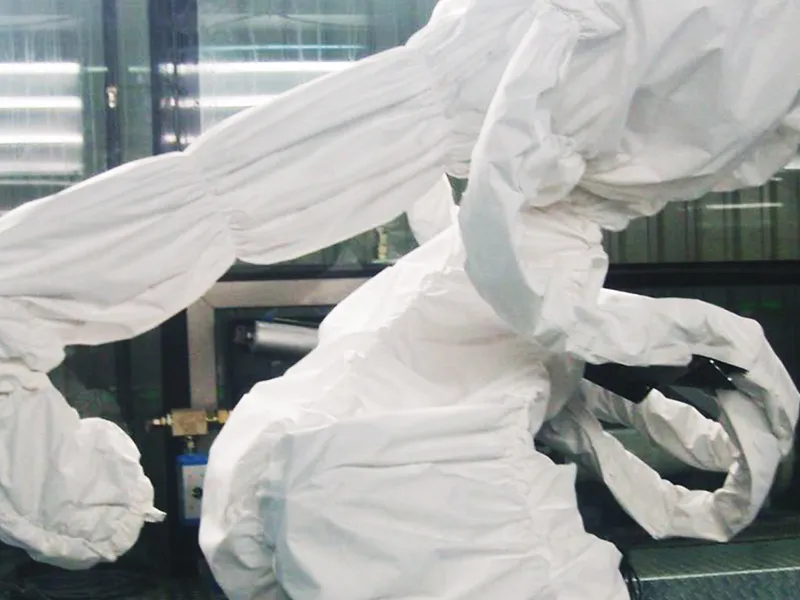
Insulated vs. Ventilated Robot Covers for High-Heat Environments
Understanding Industrial robot protective covers
Why Protective Covers Matter in High-Heat Environments
Industrial robot protective covers are essential for ensuring the longevity and operational efficiency of robots used in high-heat environments. They shield sensitive components from excessive temperatures, dust, and debris, ultimately enhancing performance and preventing costly repairs.
Comparison of Insulated and Ventilated Covers
Core Parameters Overview
The following table outlines the core parameters for insulated and ventilated robot covers, helping users understand their differences at a glance:
- Material Composition: Insulated covers use high-temperature resistant materials, whereas ventilated covers focus on breathable fabrics.
- Temperature Resistance: Insulated covers manage extreme heat better, while ventilated covers may handle moderate temperatures.
- Weight: Insulated covers typically weigh more due to the thicker materials used.
- Durability: Both types offer durability, but the type of materials used affects their lifespan.
Performance Insights: Battery Life and Stability
Operational performance can vary significantly between insulated and ventilated covers. Users frequently report:
- Insulated covers can enhance battery life by minimizing overheating conditions.
- Stability under high-heat conditions is generally improved with insulated designs, reducing the risk of overheating.
Advantages and Disadvantages of Each Type
Insulated Covers
- Advantages:
- Superior heat resistance.
- Enhanced longevity for sensitive components.
- Disadvantages:
- Heavier and bulkier.
- Higher cost due to material quality.
Ventilated Covers
- Advantages:
- Lightweight and easy to handle.
- Lower cost and more environmentally friendly materials.
- Disadvantages:
- Less effective in extreme heat conditions.
- Potential risk of failure if not properly installed.
Recommended Groups for Each Type of Cover
Ideal Users for Insulated Covers
Insulated covers are primarily recommended for:
- Industries dealing with extreme heat, such as metal fabrication and glass manufacturing.
- Operations requiring high reliability and equipment longevity.
Ideal Users for Ventilated Covers
Ventilated covers are well-suited for:
- Applications in moderate heat environments, such as electronics assembly.
- Settings where weight and flexibility are crucial.
Conclusion: Choosing the Right Covers
The choice between insulated and ventilated robot protective covers largely depends on your specific operational demands. Tehu offers a range of high-quality solutions to meet your industrial needs. For more information, visit our site at Tehu Protection.