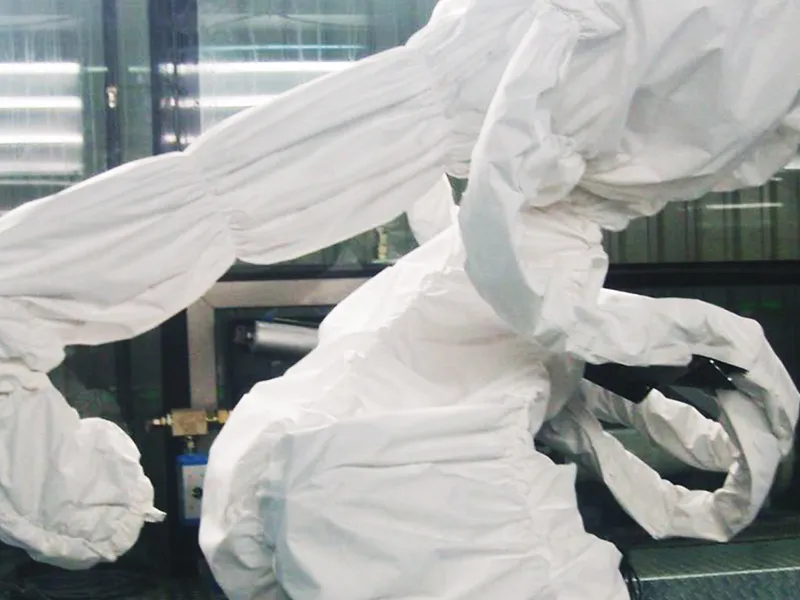
Industrial Robot Protective Cover Buying Guide: 10 Questions to Ask a Supplier
Selecting the perfect protective cover for your industrial robot can significantly increase the lifespan and efficiency of your automation equipment. Whether you’re a newcomer to the industry or a seasoned expert, I’m here to guide you through the process of evaluating potential suppliers with key strategies and considerations. The goal is to make informed choices that meet your specific needs while ensuring compliance with industry standards.
To kickstart your process, it’s essential to develop a comprehensive list of questions tailored to the attributes of your required protective cover. Here are ten crucial questions that can pave the way for a successful acquisition.
1. What is the Material Composition?
Understanding the material used in the protective cover is paramount. Look for high-quality materials such as polyurethane or PVC which offer durability and resistance to chemicals. A reliable supplier will provide you with technical data sheets that reference standards like ASTM D624 for tear resistance and ISO 4892 for weathering.
2. What Customization Options Are Available?
Customization can greatly enhance the functionality of your protective cover. Inquire if the supplier, such as Tehu, can tailor sizes, colors, or additional features like zippers or sealing strips. This can improve the fit and increase the protective capabilities against dust and debris.
3. How Does the Cover Manage Heat and Ventilation?
Effective heat management is crucial for maintaining optimal robot performance. Ensure the cover includes ventilation features to prevent overheating. Ask for testimonies or case studies from previous clients illustrating how effective their heat management solutions have been.
4. What Are the Expected Durability and Longevity?
It’s vital to know how long the protective cover will last under operating conditions. Suppliers should be able to provide wear-factor data and guarantees, ideally backed by rigorous testing using standards like ISO 527 for tensile properties.
5. Can You Provide Samples for Evaluation?
Requesting samples can provide a tangible sense of the quality before committing. This can help in assessing the cover\'s fit and practicality, ultimately guiding your decision-making process.
6. What Is the Warranty and Support Structure?
A dependable warranty can indicate a manufacturer\'s confidence in their product quality. Seek out details on warranty periods, coverage extent, and customer service response times—look for guarantees on issues like stitching integrity or material degradation.
7. How Is the Cover Maintained and Cleaned?
Understanding maintenance is key to preserving the protective cover’s effectiveness. Ask suppliers how to care for the product and whether they offer additional services such as fabric treatments or repairs.
8. Are There Any Compliance Certifications?
Check if the protective covers comply with relevant safety and industrial standards. A good supplier, like a recognized robot protective cover manufacturer, should have certifications to validate the product compliance with regulations such as ISO 9001 for quality management.
9. What Are the Lead Times and Shipping Options?
Delivery timelines are crucial for planning purposes. Completing a project on time may depend on timely delivery, so ensure you confirm lead times and available shipping methods that won’t delay your operations.
10. Can You Provide References or Case Studies?
Validating credibility with references or case studies helps in assessing the supplier\'s track record. Aim for success stories of previous clients who have implemented similar products in their setups, focusing on metrics such as efficiency gains or reduction in maintenance costs.
Overcoming Supply Chain Challenges
In today\'s dynamic market, there may be challenges including fluctuating material prices or supply chain delays. To mitigate these, maintaining a good relationship with your supplier can ensure timely updates. Furthermore, consider diversifying your list of suppliers to prevent dependency on a single source.
Practical tools such as comparison spreadsheets can facilitate an effective evaluation of suppliers based on your gathered data, while industry-specific forums or networks may offer support and shared experiences.
Conclusion
In the pursuit of the right industrial robot protective cover, asking the right questions can lead to informed purchasing decisions that suit your operational needs. By focusing on material composition, customization, heat management, and supplier credibility, you’re setting the stage for optimal robot performance and longevity.
I encourage you to utilize this buying guide as a foundation in your supplier evaluation process. Engage confidently with potential suppliers, armed with the right questions, and ensure your investment in protective covers aligns with industry standards and enhances your operational efficiency. For more resources and product specifics, visit Tehu.