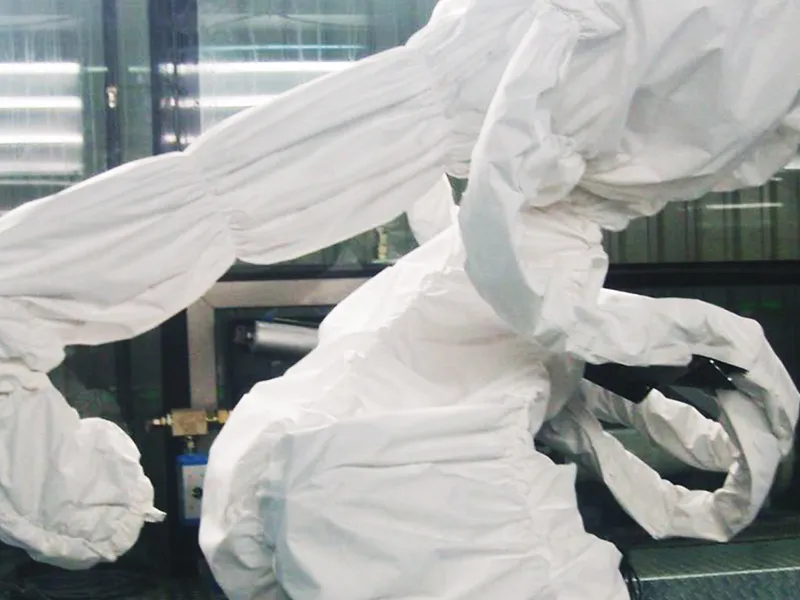
How to Select a Robot Protective Cover for Die Casting Applications
Understanding the Importance of Robot Protective Covers
Protecting Your Investment
Industrial robot protective covers are essential for safeguarding your robotic system against harsh environmental factors, including high temperatures, dust, and molten metal. This entails choosing a cover that withstands the specific conditions of die casting applications to extend the service life of your equipment.
Identifying Requirements for Your Application
Assessing Environmental Conditions
Begin by evaluating the operational environment of your robotic system. Consider factors like:
- Temperature fluctuations
- Exposure to chemicals
- Presence of dust and debris
- Risk of contact with molten materials
Defining Material Needs
Determine the best materials suitable for your specific environment, focusing on properties such as:
- Heat resistance
- Durability
- Flexibility
Selecting the Right Type of Cover
Evaluating Different Cover Designs
Investigate various designs available, such as:
- Hard covers for maximum protection
- Soft covers for flexibility and ease of installation
- Custom-fit options for unique robotic shapes
Comparing Products
When considering products, compile a comparison list highlighting:
- Price
- Durability ratings
- Customer reviews
- Manufacturer reputation
Step-by-Step Guide to Selecting and Installing a Protective Cover
Step 1: Research and Shortlist Suitable Options
Gather a list of potential protective covers and evaluate manufacturers, focusing on:
- Product specifications
- Certifications
- Warranty terms
Step 2: Gather Required Tools
Prepare the following tools for installation:
- Screwdrivers
- Measuring tape
- Scissors (for any manual adjustments)
- Safety gloves and goggles
Step 3: Measure Your Robot
Accurately measure the dimensions of your robot, as this will ensure a perfect fit for the protective cover. Record the data like:
- Height
- Width
- Depth
Step 4: Order and Receive the Cover
Place your order through a trusted supplier, ensuring they offer quality assurance. Upon arrival, inspect the cover
Step 5: Install the Cover
Follow the manufacturer's instructions closely to install the cover. Key tips include:
- Align seams correctly
- Use the right fasteners where necessary
Avoiding Common Mistakes
Ensuring Proper Fit
A common error is underestimating the size needed for the cover. Always measure twice before purchasing.
Ignoring Environmental Factors
Another issue is neglecting the specific environmental conditions of your operations. Be sure to select covers that are rated for your operating conditions.
Conclusion: The Value of Choosing the Right Protective Cover
In conclusion, investing in a quality industrial robot protective cover not only protects your investment but also enhances the longevity and performance of your robotic systems. With Tehu's range of protective solutions, you can ensure your robotic applications are safeguarded against the unique challenges of die casting. For further information or to view our products visit Tehu Protection.