


How to Protect Robots From Grinding Dust and Metal Particles
How to Protect Robots From Grinding Dust and Metal Particles
Industrial robot maintenance is crucial in ensuring their longevity and efficiency, especially in environments where grinding dust and metal particles can cause significant wear and tear. Many businesses face challenges such as reduced productivity and increased maintenance costs due to contamination. A robot protective cover manufacturer like Tehu understands these pain points and offers tailored solutions that not only safeguard robots but also enhance operational reliability. In this article, we will explore the necessary steps and strategies to protect robots effectively, ensuring they remain efficient while minimizing the risks associated with harmful particulate matter.
Required Preparation for Protecting Your Robots
Before diving into the protective measures, it's essential to gather the necessary materials and tools. Here’s what you’ll need:
- Protective Covers: High-quality protective covers specifically designed for industrial robots, such as those from Tehu.
- Air Filtration System: An efficient air filter rated to capture particles as small as 0.3 microns.
- Cleaning Supplies: Non-abrasive cleaning agents and microfiber cloths to maintain the cleanliness of your robots.
- Inspection Tools: Magnifying glasses and cameras to assess the condition of robots regularly.
Step-by-Step Guidance to Protect Your Robots
Step 1: Choosing the Right Protective Covers
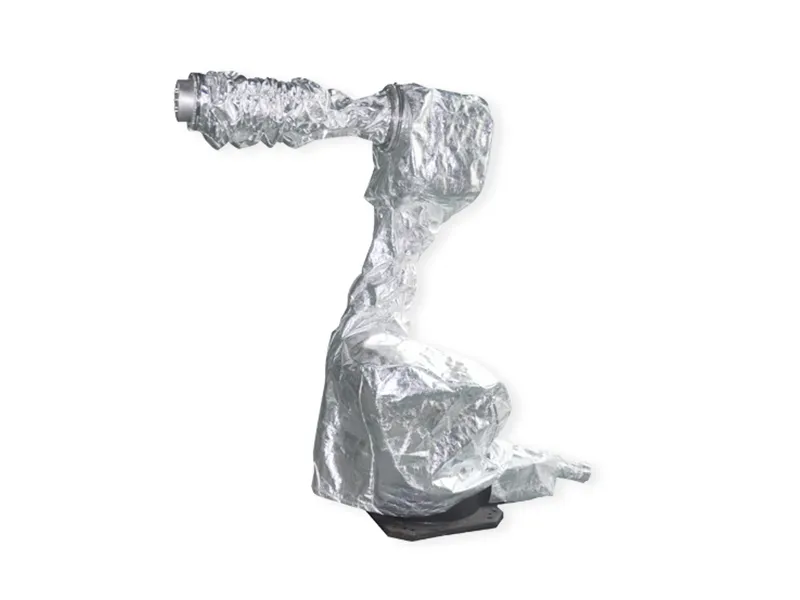
Selecting suitable protective covers is paramount for safeguarding robots from grinding dust and metal particles.
- Research different materials used in protective covers and choose one that is rated for dust and particulate resistance. For example, Tehu covers have a tensile strength of at least 15 MPa, providing solid protection.
- Ensure the cover fits your specific robotic model; a tight fit reduces exposure and improves protection.
Step 2: Implementing an Air Filtration System
Next, install an air filtration system to minimize airborne dust and metal particles.
- Choose a filtration system with a HEPA filter to capture at least 99.97% of particles. This technology is essential for environments laden with metal debris.
- Position the system strategically to ensure adequate airflow and maximize dust capture.
Step 3: Regularly Clean and Inspect Robots
Set up a maintenance schedule to clean robots and inspect for damage caused by particulate matter.
- Initially, use a soft brush to remove loose dust and debris.
- Follow up with a microfiber cloth and a non-abrasive cleaning agent to clean sensitive areas.
- Conduct visual inspections regularly to check for wear on mechanical components, documenting any changes using your inspection tools.
Step 4: Train Staff on Best Practices
Training your team on maintenance and care is essential for long-term protection.
- Conduct workshops focusing on the importance of keeping robots clean and how to utilize protective covers effectively.
- Set protocols for immediate response to issues like damage or dust build-up, fostering a culture of proactive maintenance.
Common Errors and Their Solutions
Error 1: Inadequate Coverage
Many users underestimate the importance of a proper fit for protective covers.
- Solution: Always measure the robot dimensions and consult with the manufacturer to ensure optimal fit.
Error 2: Neglecting Maintenance
Failure to clean and inspect robots regularly can lead to significant damage.
- Solution: Develop a maintenance schedule and use logs to track cleaning and inspections.
Summary and Suggestions
Protecting robots from grinding dust and metal particles is imperative for ensuring longevity and efficiency in industrial applications. By following the outlined steps—selecting the right protective covers, implementing air filtration systems, maintaining cleaning routines, and training staff—you can significantly reduce wear and minimize downtime. Consider partnering with industry-leading protective cover manufacturers like Tehu to ensure you have the best solutions at your disposal.
FAQ
Q1: How often should I clean my robots?
A1: It’s recommended to clean robots at least once a week, or more frequently if working in highly contaminated environments.
Q2: What materials are best for protective covers?
A2: Look for covers made from high-strength polyester or PVC materials, which provide excellent resistance to dust and debris.
Q3: Can I inspect my robots without specialized tools?
A3: While specialized tools can help, a regular visual inspection combined with simple tools can suffice to catch most issues.


