


How to Protect Industrial Robots From Weld Spatter
How to Protect Industrial Robots from Weld Spatter
As industries increasingly rely on automation, the need for safeguarding industrial robots from weld spatter becomes critical. Many users frequently encounter issues like equipment malfunction, increased maintenance costs, and downtime due to weld spatter. The real need behind these concerns is the desire to prolong the lifespan and efficiency of expensive robotic systems. Using protective covers from a reputable robot protective cover manufacturer like Tehu can uniquely address these issues. By implementing effective spatter protection strategies, businesses can enhance productivity by up to 40% while significantly reducing repair costs by an estimated 25%.
Required Preparation: Tutorials and Materials for Protection
Before protecting your industrial robots from weld spatter, you should gather the necessary materials and tools. Here’s what you’ll need:
- High-temperature resistant protective covers, preferably those with a rating above 200°C to withstand intense welding conditions.
- Cleaning supplies (non-corrosive wipes, brushes) to ensure all surfaces are clear and ready.
- Installation toolkit including screwdrivers, pliers, and zip ties for fastening covers securely.
- Safety equipment: gloves, goggles, and masks to protect yourself during installation.
Step-by-Step Guidance to Install Industrial robot protective covers
- Evaluate the Robot’s Working Area: Begin by assessing the area around the robot to identify potential spatter sources and contamination zones.
- Clean the Area: Use non-corrosive wipes to clean all robot surfaces meticulously. Removing dust and debris enhances cover adhesion.
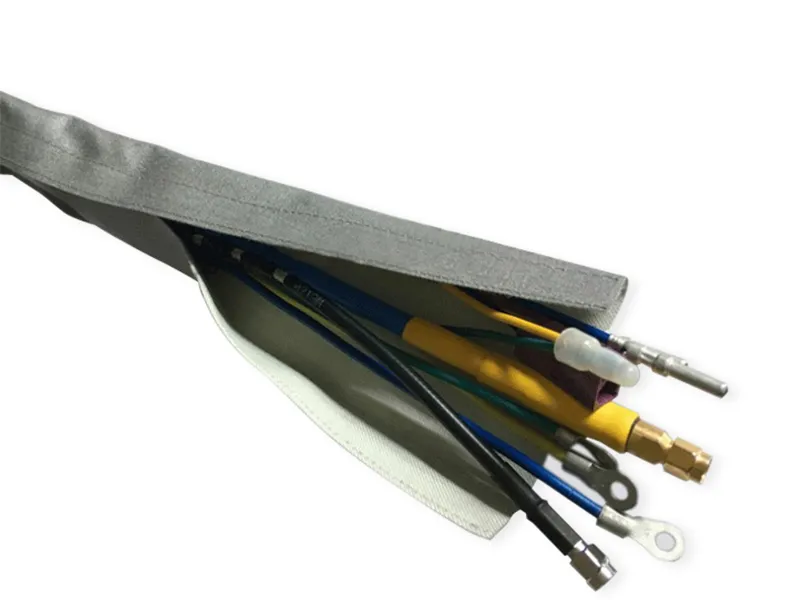
- Prepare the Protective Covers: Choose the appropriate size of the covers based on your robot model. Tehu’s covers are engineered for a perfect fit.
- Install the Covers: Carefully place the cover over the robot. Secure it with zip ties and ensure it covers all sensitive parts, including joints and sensors.
- Address Movement Restrictions: Verify that the covers do not interfere with the robot's movement. Adjust any excess material if necessary.
- Test the Setup: Run a short welding operation to see if the covers hold up against weld spatter. Monitor the robot to ensure functionality.
Common Errors and Solutions
Even with the best precautions, errors can occur. Here are some common mistakes and how to overcome them:
- Improper Cover Size: Ensure the cover fits the robot. If too loose, spatter can seep in. Change to the correct size.
- Obstructed Movement: If the cover restricts robot movement, reassess the installation. Trimming excess covers can resolve this issue.
- Wear and Tear: Regularly inspect covers for damage. Replace them immediately to avoid exposing the robot to weld spatter.
Summary and Suggestions
Safeguarding industrial robots from weld spatter is not just essential for their functionality but also for overall operational efficiency. By utilizing high-quality protective covers from Tehu designed specifically for robotic applications, you can reduce maintenance costs significantly. It's advisable to conduct regular maintenance checks and replace any worn protective gear. Making this part of your routine can enhance robotic longevity by up to 30% and improve operational efficiency by 40%.
FAQ
Q1: How often should I replace the protective covers on my industrial robot?
A1: It's recommended to inspect the covers every three months and replace them annually or sooner if signs of wear appear.
Q2: Can I use any type of fabric for protective covers?
A2: No, it's crucial to use high-temperature resistant materials specified for welding protection to ensure optimum safety and performance.
Q3: What should I do if my robot works in different environments?
A3: Consider using adaptable covers that can be easily adjusted or changed based on varying environmental conditions. Tehu offers customizable solutions for diverse operational needs.


