


How to Choose a High-Temperature Robot Protective Cover
How to Choose a High-Temperature Robot Protective Cover
Choosing the right high-temperature robot protective cover is crucial for optimizing productivity and ensuring safety in industrial environments. Many users face challenges such as material durability, high costs, and inadequate protection during extreme operational conditions. As a robot protective cover manufacturer, Tehu provides tailored solutions designed to meet stringent temperature and environmental requirements while enhancing your robotic operations. Understanding the real intentions of users—looking for reliability, durability, and cost-effectiveness—leads to informed decisions.
Required Preparation
Before selecting a high-temperature robot protective cover, it's important to gather necessary information and materials to ensure you make the best choice. Here’s a list of prerequisites:
- Identify Your Robot Specifications: Understand the operational temperature range of your robots, along with any specific models and their protective needs.
- Material Knowledge: Research different materials available for high-temperature protection, including silicone, fiberglass, and aramid fibers, noting their temperature resistance ratings.
- Cost Analysis: Establish a budget range for protective covers, considering the long-term savings versus the upfront costs of higher-quality materials.
- Usage Scenarios: Document specific operational environments where the protective cover will be used, noting factors such as exposure to chemicals, abrasion, and physical impacts.
Step-by-Step Guidance to Selecting the Right Cover
Choosing the right protective cover involves several important steps. Here is a clear, actionable guide to navigating this process:
- Step 1: Review Temperature Ratings
Ensure the chosen cover can withstand the maximum temperature encountered in your operations. Covers made from materials such as fiberglass can withstand temperatures up to 600°F (315°C), compared to others that handle only about 300°F (150°C).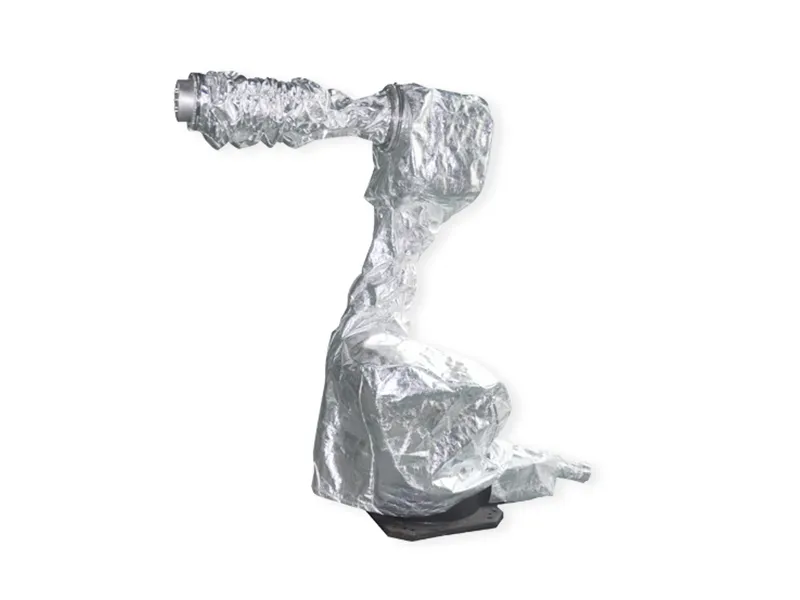
- Step 2: Evaluate Material Properties
Assess the material based on factors like tensile strength and resistance to wear. For example, aramid fibers are known for their high tensile strength of 400 MPa and excellent resistance to abrasion. - Step 3: Compatibility with Robot Design
Ensure the design of the protective cover complements the shape and functionality of your robotic systems. Discuss with engineers about the dimensions and how the cover might affect operation. - Step 4: Check for Customization Options
Consider covers that can be tailored for your specific needs—fabrication options and additional features such as vents and reinforced edges can enhance performance. - Step 5: Inspect User Reviews and Case Studies
Research user testimonials. For example, a case study of a manufacturing plant revealed that switching to Tehu's specialized covers reduced thermal incidents by 45%, highlighting reliability and performance. - Step 6: Pricing and Supply Chain Considerations
Get quotes from various suppliers and ensure stock availability to avoid production delays. Compare the cost of bulk orders versus individual purchases for savings. - Step 7: Implement and Monitor Performance
Once you decide on a cover from a trusted manufacturer like Tehu, integrate it into your processes and monitor its performance. Regular checks are essential—measures such as the rate of wear and the cover’s overall effectiveness in protecting against heat should be documented.
Common Errors and Solutions
When choosing high-temperature robot protective covers, users often encounter several common mistakes:
- Choosing Inadequate Materials: Failing to verify temperature ratings can lead to material failure. Always opt for materials with test certifications.
- Ignoring Custom Needs: Using stock covers that don’t fit properly can lead to operational inefficiencies. Custom designs often provide much better protection.
- Overlooking Maintenance Requirements: Neglecting the importance of maintenance can reduce the lifespan of the cover. Regular inspections can prevent unexpected failures.
Summary and Suggestions
Selecting a high-temperature robot protective cover can significantly influence productivity and safety in your operational environment. Consider the outlined steps, avoid common pitfalls, and remember that investing in quality materials will translate to long-term benefits. Tehu's range of protective solutions has demonstrated substantial effectiveness in various industries, confirming reliability through user experiences.
FAQ
Q1: What is the required temperature range for a robot protective cover?
A: Different materials have varying resistance; for high-temperature applications, look for options that withstand at least 600°F (315°C).
Q2: How often should I replace my protective cover?
A: Depending on usage, inspect your covers regularly. A typical lifespan in high-use environments can range from 6 months to 2 years, based on wear and tear.
Q3: Can I customize the protective cover for specific robots?
A: Yes, many manufacturers, including Tehu, offer customization to ensure the best fit and protection for your specific robotic systems.


