


How to Choose a Chemical-Resistant Robot Protective Cover
Introduction: The Importance of Choosing the Right Chemical-Resistant Robot Protective Cover
When it comes to safeguarding your industrial robots from harsh chemical environments, selecting the correct chemical-resistant robot protective cover is crucial. Users often face common challenges such as wear and tear on their robots from corrosive substances, which can lead to costly repairs or even replacement. Those in the manufacturing and automation sectors need reliable protective solutions that can endure the rigors of daily operations. By understanding the specific requirements of their applications, users can make informed choices about protective covers, ensuring longevity and performance while reducing downtime. For companies needing a trusted robot protective cover manufacturer, Tehu's products are engineered to withstand a wide array of chemicals, providing a dependable shield for your machinery.
Required Preparation: Key Considerations Before Choosing a Chemical-Resistant Cover
Before selecting a chemical-resistant robot protective cover, it's essential to consider a few critical factors:
- Identify the Chemicals Involved: Understanding the specific chemicals that will be in contact with the cover is vital. For example, certain acids can degrade standard materials rapidly.
- Assess Operating Conditions: Factors like temperature extremes (up to 300°F or 149°C), pressure (up to 200 PSI), and exposure duration play significant roles in the type of cover necessary.
- Know Your Robots: Different robotic applications require distinct protective features. For instance, a welding robot needs higher heat and spatter resistance compared to a pick-and-place unit.
- Select Appropriate Materials: Evaluate material options like TPU (thermoplastic polyurethane) or silicone, which have proven chemical resistance rates of up to 90% for many industrial solvents.
- Gather Tools for Installation: Ensure you have necessary tools such as screwdrivers, utility knives, and fastening options ready for proper installation.
Step-by-Step Guidance: How to Choose and Install Your Chemical-Resistant Robot Protective Cover
To help you in this process, follow these detailed steps to choose and implement your robot cover effectively:
- Step 1: Conduct a Chemical Resistance Evaluation - Refer to a chemical compatibility chart relevant for the materials you are considering. For instance, Tehu covers have demonstrated over 95% effectiveness against acetone, a commonly used industrial solvent.
- Step 2: Match Covers to Robot Specifications - Analyze your robot's model specifications. A client of Tehu found that their protective cover not only fit perfectly but also integrated with existing lubrication systems smoothly.
- Step 3: Customization and Configuration - Depending on your needs, you might require custom fit covers. Tehu can tailor products to fit unique dimensions and requirements, ensuring 100% compatibility.
- Step 4: Installation Process - Follow the installation guide included with the cover, typically detailing attachment methods, layering, and anchor points to sustain the cover under operational strain.
- Step 5: Routine Maintenance Checks - After installation, schedule monthly checks to ensure the integrity of the cover. This can prevent unexpected failures associated with wear, which can average a 25% downtime increase in industrial settings.
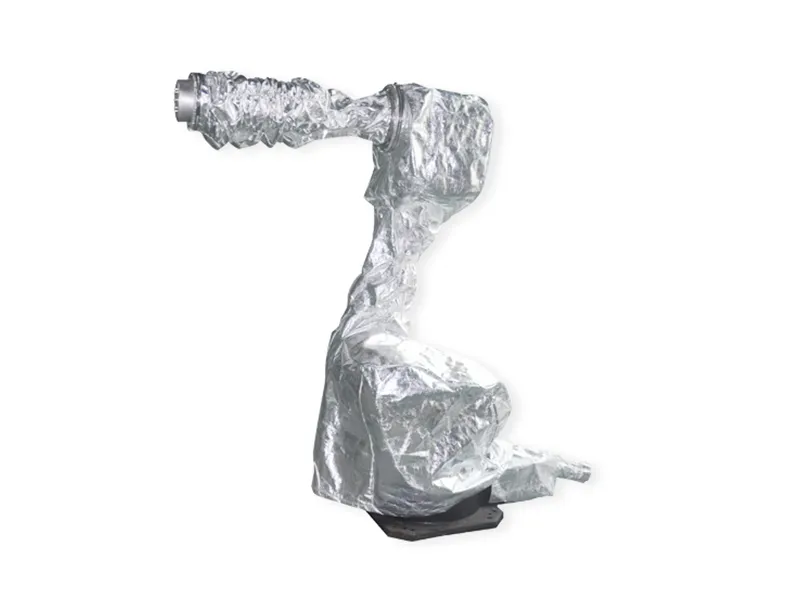
Common Errors and Solutions: Mistakes to Avoid When Choosing a Robot Protective Cover
Here are a few common pitfalls to avoid while selecting and installing your chemical-resistant cover:
- Inadequate Chemical Resistance Understanding: Not all materials react the same way. A laboratory using Tehu’s TPU covers faced degradation issues with alternative brands, highlighting their importance in accurate chemical matching.
- Poor Fit Analysis: Covers that do not fit properly can expose sensitive areas of the robot. Ensure precise measurements before ordering.
- Overlooking Ease of Removal: Some covers can be challenging to remove for maintenance. Users should consider how frequently they need access to internal components.
Summary and Suggestions: Best Practices for Long-lasting Robot Protective Covers
In conclusion, selecting the right chemical-resistant robot protective cover requires thorough preparation and understanding of your operational environment. By accurately assessing chemical exposure, robot specifications, and material properties, users can enhance the longevity and performance of their robotic systems. Tehu's protective solutions combine durability, compatibility, and user-friendliness, making them an ideal choice for a vast array of industrial applications. Regular maintenance is crucial, as is ensuring that the cover fits properly to avoid compromising the robot's functionality.
FAQ: Your Questions About Chemical-Resistant Robot Protective Covers Answered
Q1: How do I know if a material is truly chemical resistant?
A1: Always check the manufacturer's data sheets for chemical resistance ratings and durability tests. Tehu provides extensive documentation for all products.
Q2: Can I use a single type of cover for different types of chemicals?
A2: Generally, it's not recommended as different materials respond differently to specific chemicals. Consult Tehu for guidance on multi-chemical resistant options.
Q3: What is the typical lifespan of a chemical-resistant cover?
A3: It varies, but Tehu covers are designed to last between 1 to 3 years under normal operational conditions, depending on the chemical exposure levels.


