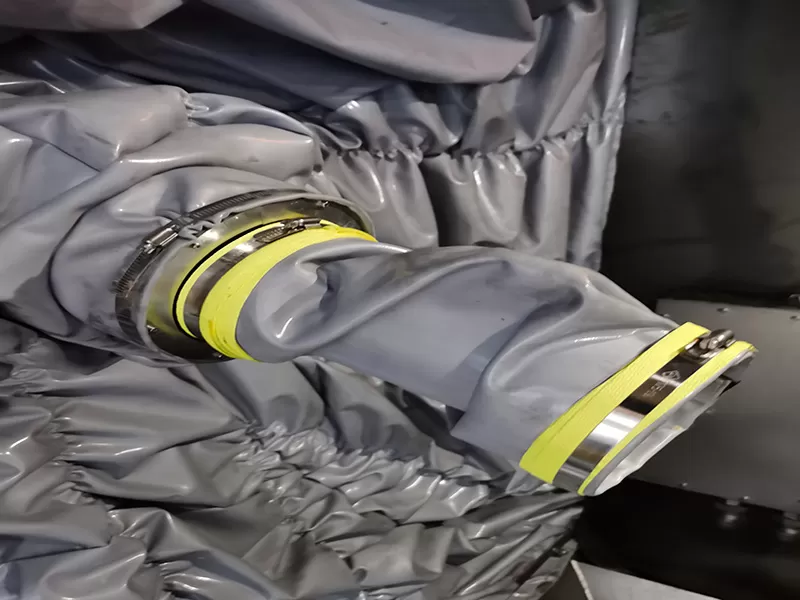
How Dustproof Robot Covers Protect Joints, Motors and Encoders
In the competitive world of industrial automation, I’ve witnessed firsthand the detrimental effects of dust and other contaminants on robotic machinery. Consider this: joints, motors, and encoders are the lifeblood of any robotic system, playing critical roles in functionality and precision. When these components succumb to dust invasion, the repercussions can be severe. Rapid wear and tear, unexpected downtime, and costly repairs not only tarnish productivity but also threaten the very integrity of intricate processes. In a landscape where efficiency is paramount, neglecting to protect these vital components can have dire implications—not just for operations, but for financial viability as well.
Understanding the nature of dust and debris is crucial to appreciating the risks involved. Dust particles can vary greatly in size and composition, and their infiltration into robot joints or motors can lead to mechanical failures. For instance, even a minuscule grain of sand can disrupt the precision movement of a joint, leading to misalignments and operational inefficiencies. Additionally, moisture, often found in dusty environments, can accelerate corrosion and degrade sensitive electronics, particularly in sophisticated encoders. As such, it becomes imperative for businesses to recognize the significance of dustproofing their robotic systems through the deployment of specialized protective covers.
The ramifications of neglecting dust contamination extend beyond immediate mechanical failures. For many industries, including manufacturing and logistics, machine downtime translates directly into lost productivity and revenue. Research indicates that equipment failures can cost companies an average of $260,000 per hour, underscoring the critical need for preventive measures. Moreover, businesses must grapple with the pump costs associated with emergency repairs and the potential for extended lead times in manufacturing processes. A proactive approach to safeguarding robotics with effective protective covers becomes essential for maintaining operational continuity and profitability.
Let’s consider a real-world case to illustrate the stakes involved. A prominent manufacturing firm implemented Tehu’s Industrial robot protective covers on their robotic arms, which were previously exposed to dust and debris. Within just six months, they reported a 50% reduction in unexpected mechanical failures. The proactive measures not only safeguarded their robots but also optimized their maintenance schedules, further enhancing their production timelines. The precision maintained by these covers proved invaluable, validating the investment made in protective solutions.
Failure to implement protective covers is not without risks. As operational demands increase and production environments evolve, the consequences of ignoring protective measures can mount significantly. Potential outcomes may include chronic breakdowns, decreased fluidity in operations, and barriers to scaling production capabilities. Over time, these issues can culminate in strained relationships with clients, ultimately jeopardizing company reputation and market standing. The urgency to act is thus underscored: safeguarding robotic machinery is no longer optional but a vital component of business strategy.
In conclusion, I urge businesses in the automation sector to consider the implementation of effective dustproof robot covers, such as those provided by the trusted robot protective cover manufacturer, Tehu. By prioritizing the protection of joints, motors, and encoders, you not only prolong the lifespan of your equipment but also enhance operational efficiency. Embrace a proactive stance, ensuring your systems are fortified against the encroachment of dust and contaminants. The health of your robotic systems—and, by extension, the success of your operations—depends on it.
For more information on how Tehu can help you protect your robotic components, visit Tehu Protection today.