Custom vs. Standard Robot Protective Covers: Which Is Better?
Understanding the Basics of Robot Protective Covers
What Are Robot Protective Covers?
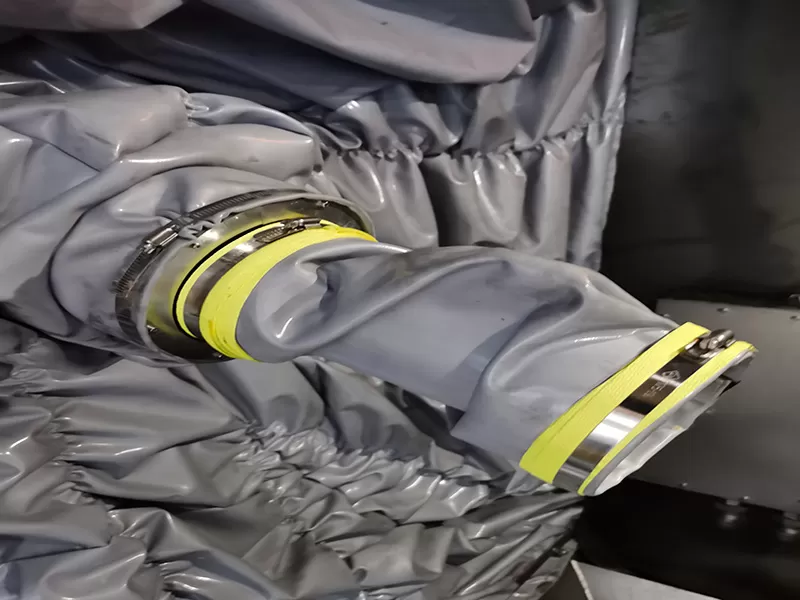
Robot protective covers are essential components that shield industrial robots from dust, debris, and environmental hazards. They come in two main types: standard and custom covers. Choosing the right type can significantly impact the robot\'s performance and lifespan.
Core Parameter Comparison of Custom and Standard Covers
Key Specifications at a Glance
- Material Types:
- Standard Covers: Generally made from basic nylon or polyester fabrics.
- Custom Covers: Can be made from specialized materials based on specific industrial needs.
- Dimensions & Fit:
- Standard Covers: Pre-defined sizes, requiring a trade-off between fit and protection.
- Custom Covers: Tailored to specific robot dimensions for enhanced protection.
- Price Range:
- Standard Covers: Usually more affordable due to mass production.
- Custom Covers: Higher initial investment but potential long-term savings.
Practical Use Experiences: Battery Life and Stability
Real-World Performance of Protective Covers
Using robot protective covers affects not only the maintenance of the robot but also its operational efficiency.
- Battery Life:
- Standard Covers: May provide insufficient insulation, impacting temperature control and battery lifespan.
- Custom Covers: Designed with thermal properties that help in maintaining the optimal operational temperature, thereby enhancing battery longevity.
- Stability:
- Standard Covers: Can lead to increased wear and tear due to poor fitting.
- Custom Covers: Offer a snug fit reducing movement and protecting sensitive components.
Advantages and Disadvantages of Each Type
Weighing the Pros and Cons
Standard Covers
- Advantages:
- Cost-effective for budget-conscious buyers.
- Easy and quick availability in various sizes.
- Disadvantages:
- Potentially less effective in unique environments.
- Compromise on fit and long-term protection.
Custom Covers
- Advantages:
- Tailored to specific robot models for maximum protection.
- Custom materials can better withstand extreme conditions.
- Disadvantages:
- Higher upfront investment required.
- Longer lead time for manufacturing.
Recommendations for Different Applications
Who Should Choose Which Cover?
Understanding the environment in which the robot will operate is crucial for making a decision:
- Standard Covers: Ideal for businesses with standard operational conditions and limited budgets.
- Custom Covers: Best suited for industries that require specialized protection due to harsh environmental factors.
Conclusion: Make an Informed Decision
When selecting between custom and standard robot protective covers, consider the specific needs of your industrial applications. By understanding the core parameters and the potential impact on performance, you can ensure that your investment pays off in the long run. At Tehu, we specialize in offering tailored solutions that enhance the protection of your robotic systems. To learn more about our products, visit Tehu Protection.