


Why Every Industrial Robot Needs A Protective Cover
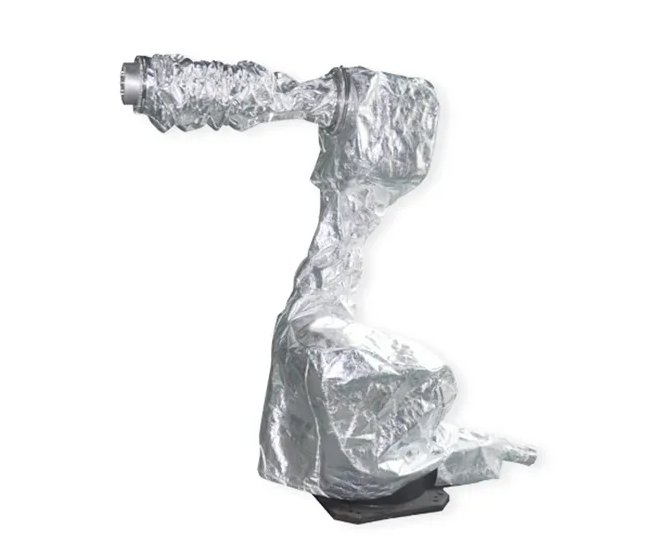
Industrial robots are critical to modern manufacturing and automation, but their precision components are highly vulnerable to harsh operating conditions such as heat, dust, moisture, and chemical exposure. Without proper protection, these factors can accelerate wear, compromise accuracy, and result in unexpected downtime and increased maintenance costs.
Custom-engineered robot protective covers provide an effective barrier against these risks. By minimizing contamination and mechanical stress, they help maintain consistent performance, extend service life, and improve overall equipment reliability.
At Guizhou Sanmuchun Textile Manufacturing Co., Ltd., we develop high-performance robotic protection solutions tailored to diverse industrial applications. Our covers are designed to withstand demanding environments while ensuring your robots operate efficiently, safely, and with maximum uptime.
What Risks Do Industrial Environments Pose to Robots?
Industrial robots operate in demanding environments where constant exposure to external hazards can significantly impact performance, accuracy, and lifespan. Understanding these risks highlights the necessity of effective protective solutions.
Dust, Abrasives, and Particulate Contamination — Impact on Precision
Manufacturing facilities and production lines generate large amounts of dust and airborne particles. These contaminants can penetrate robot joints, sensors, and control systems, leading to abrasion and interference. Over time, this buildup reduces positioning accuracy and affects precision-critical tasks such as welding, assembly, and material handling. Abrasive particles also accelerate mechanical wear, increasing maintenance frequency and unplanned downtime. In severe cases, contamination may trigger sensor failures or electrical issues, compromising both performance and operational safety.
Heat, Sparks, and Molten Splatter — Damage to Components
In high-temperature environments like welding shops and foundries, robots are exposed to extreme heat, sparks, and molten metal splatter. These conditions can degrade electronic components and damage mechanical structures. Continuous thermal cycling weakens seals and joints, while direct exposure to sparks may cause surface damage or even fire hazards. Elevated temperatures can also break down lubricants inside robot joints, increasing friction and accelerating wear. Without proper protection, these factors significantly reduce equipment reliability and service life.
Chemicals, Coolants, and Washdowns — Corrosion and Electrical Risks
Robots used in industries such as painting, coating, and food processing frequently come into contact with chemicals, solvents, coolants, and high-pressure washdowns. These substances can corrode metal surfaces, degrade protective coatings, and infiltrate sensitive electronic systems. Moisture intrusion during cleaning processes increases the risk of short circuits and operational failures. Prolonged exposure to aggressive chemicals may also weaken structural integrity, leading to unexpected breakdowns. Protective covers act as a critical barrier, shielding robots from corrosive agents and ensuring stable, safe operation in harsh environments.
How Protective Covers Mitigate Each Risk
Industrial robot protective covers are engineered with targeted features that directly address the environmental hazards robots face, ensuring consistent performance and long-term reliability.
Barrier Functions: Dust, Chemical, and Waterproofing Protection
High-quality robot covers serve as a robust physical barrier, preventing dust, airborne particulates, and chemical splashes from reaching critical components. Advanced materials such as reinforced technical fabrics, waterproof membranes, and chemical-resistant coatings ensure comprehensive protection. Waterproof designs effectively seal joints and vulnerable areas, blocking moisture intrusion during washdowns and cleaning processes. This keeps sensitive electronics dry and functional. In addition, anti-static properties in certain covers help reduce dust attraction—an essential feature for cleanrooms and precision electronics manufacturing environments.
Thermal and Reflective Layers for Heat Resistance
To withstand extreme temperatures, sparks, and molten splatter, protective covers often incorporate thermal insulation and reflective outer layers. These materials deflect radiant heat and shield robotic systems from direct thermal exposure. Specialized heat-resistant fabrics can endure sparks and splashes without degrading, preserving both structural integrity and operational safety. By stabilizing internal temperatures, these covers also help protect sensitive electronics and maintain optimal joint performance, reducing the likelihood of heat-related failures.
Seals, Secure Fastenings, and Modular Access for Easy Maintenance
Well-designed robotic covers feature precision-engineered seals and fastening systems that ensure a secure fit while allowing full robot mobility. Modular construction enables quick removal or targeted access through integrated panels, allowing maintenance and inspections without exposing the entire machine. This reduces maintenance time, minimizes downtime, and eliminates the need for complex disassembly. Additionally, strategically designed access points enhance worker safety by limiting exposure to hazardous environments during servicing.
Operational and Financial Benefits
Investing in industrial robot protective covers delivers clear operational gains and long-term cost savings, making them a practical upgrade for modern production environments.
Reduced Downtime and Maintenance Frequency
By shielding robots from contamination, heat, and chemical exposure, protective covers significantly reduce the risk of unexpected failures. This leads to fewer unplanned shutdowns and more stable production output. Maintenance can shift from reactive repairs to scheduled preventive servicing, allowing better planning of labor and resources. In addition, minimizing emergency interventions helps cut overtime costs and shortens recovery time, keeping operations running smoothly.
Extended Component Lifespan and Lower Replacement Costs
Protective covers help preserve critical components such as sensors, joints, and control systems by reducing wear and environmental stress. As a result, these high-value parts last longer and require less frequent replacement. This not only lowers spare parts expenses but also reduces labor costs associated with repairs. Over time, the extended service life of equipment delivers a strong return on investment, far exceeding the initial cost of implementing protective covers.
Improved Safety and Compliance in Sensitive Industries
In sectors with strict hygiene and safety standards—such as food processing, pharmaceuticals, and clean manufacturing—robot covers play a vital role. Waterproof and chemical-resistant designs allow robots to withstand frequent washdowns and exposure to disinfectants without performance degradation. This supports compliance with regulatory requirements while maintaining product integrity. Additionally, protective covers help prevent cross-contamination, contributing to safer production processes and smoother certification audits.
Foundries, Welding, Painting, and Food Processing
Foundries and Welding
In foundries and welding environments, robots are routinely exposed to extreme heat, sparks, and molten metal splatter. Flame-resistant and heat-insulated protective covers are essential in these settings, shielding robotic systems from thermal damage and surface degradation. By reducing exposure to high temperatures and flying debris, these covers help maintain structural integrity and ensure stable, long-term operation.
Painting Lines
In automated painting and coating lines, robots must operate in environments filled with paint overspray, solvents, and chemical vapors. Protective covers prevent paint buildup on joints and moving parts, ensuring smooth motion and preventing mechanical interference. Chemical-resistant materials also protect against solvent corrosion, helping maintain precision and extending equipment lifespan.
Food Processing
In food manufacturing and processing facilities, robots require strict hygiene protection due to frequent washdowns and exposure to cleaning agents. Waterproof and chemically resistant robot covers are designed to withstand high-pressure cleaning and disinfectants while preventing moisture ingress. These solutions support sanitation compliance, reduce contamination risks, and help maintain continuous, hygienic production workflows.
How to Evaluate Whether Your Robot Needs a Cover
Deciding whether a robot requires a protective cover depends on a structured assessment of its working environment, exposure conditions, and long-term operational costs. A clear evaluation helps ensure the right level of protection without unnecessary overspending.
Environment Assessment
The first and most important factor is the operating environment. If the robot is exposed to dust, moisture, chemicals, high temperatures, or washdown processes, a protective cover is strongly recommended. Harsh industrial conditions significantly increase the risk of contamination, corrosion, and mechanical failure.
Exposure Level and Intensity
Not all environments present the same level of risk. It is important to evaluate how frequently and how severely the robot is exposed to harmful elements. Continuous exposure to welding sparks, paint mist, or chemical splashes requires heavy-duty, specialized protective covers, while occasional exposure may only require lighter protection solutions.
Duty Cycle and Operating Conditions
The robot’s duty cycle—how often and how long it operates under demanding conditions—directly impacts wear and tear. High-cycle operations in aggressive environments accelerate component degradation, making protective covers more critical for maintaining consistent performance and reducing maintenance frequency.
Return on Investment (ROI) Analysis
A practical decision should also consider long-term cost efficiency. While protective covers involve an upfront investment, they often reduce downtime, repair costs, and part replacements over time. Evaluating total lifecycle savings rather than initial purchase price provides a clearer picture of value.
In general, robots operating in clean, controlled environments may require minimal protection. However, in industries with dust, moisture, heat, or chemical exposure, protective covers are a highly cost-effective solution that enhances reliability, extends equipment lifespan, and supports stable production performance.
Conclusion
Industrial robot protective covers play a vital role in safeguarding high-value automation equipment from environmental hazards, minimizing unplanned downtime, and extending overall service life. By acting as a reliable barrier against dust, heat, moisture, and chemical exposure, they help maintain stable performance and improve production efficiency across demanding industrial applications.
At TEHU, we deliver advanced robotic protection solutions tailored to a wide range of industrial environments, including waterproof, heat-resistant, and chemical-resistant cover systems. Choosing the right protective cover not only preserves your equipment investment but also enhances operational continuity and long-term cost efficiency.
Contact us today to discover how our customized robot protection solutions can strengthen your production reliability and optimize maintenance performance.


